
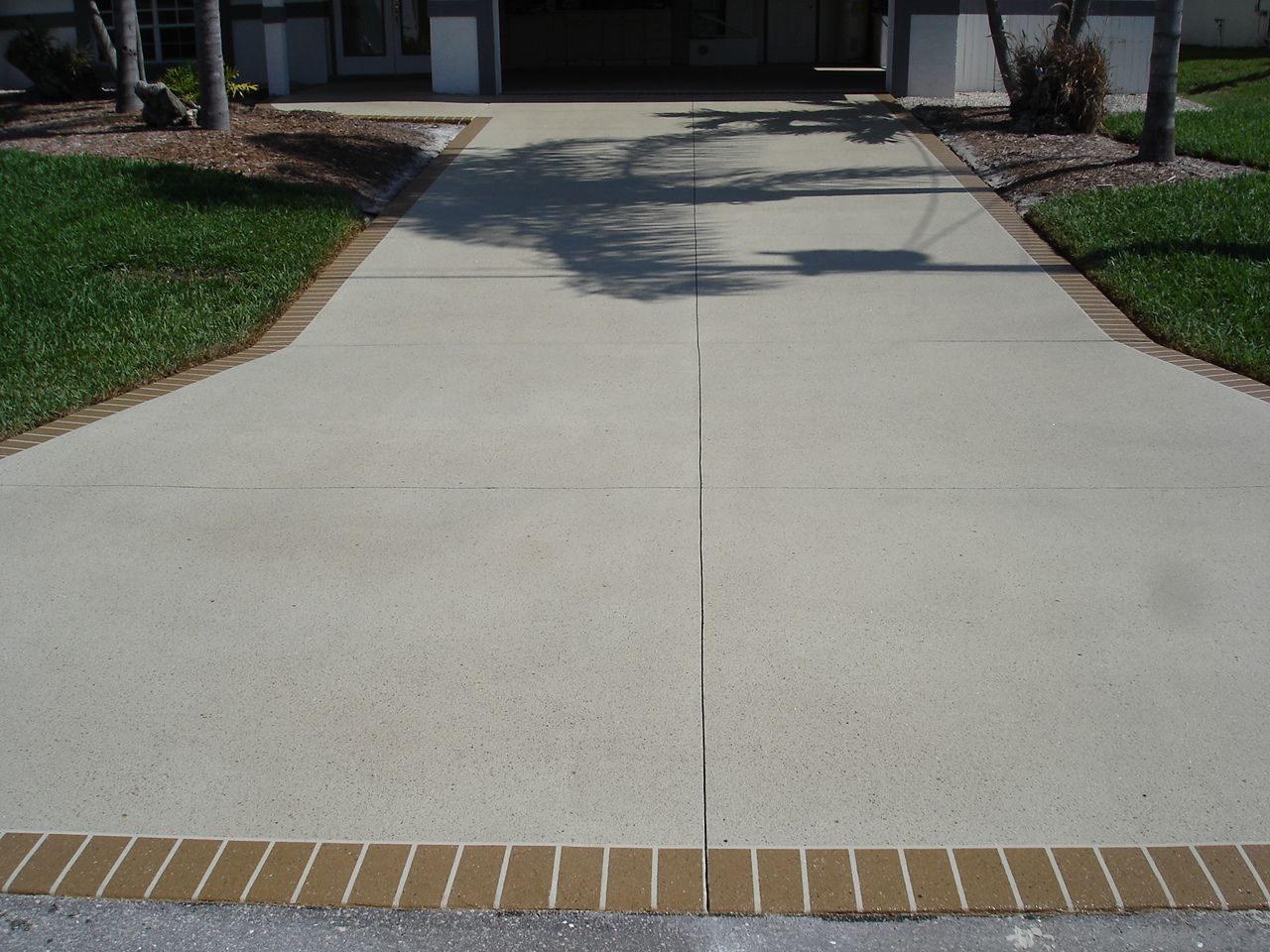
Every concrete driveway shows some wear over time, but not every crack or stain means it's time for a full replacement. Here's how to tell the difference between normal aging and a driveway that's actually failing.
Wide cracks, sunken sections, and crumbling edges usually mean the base has failed and repair won't hold. Hairline cracks and surface staining are often cosmetic.
Warning Signs
5 Signs It's Time to Replace, Not Repair
If you're seeing more than one of these on your driveway, it's worth getting a professional opinion before you spend money on a patch that won't last.
Here's what to look for:
- Wide cracks (more than 1/4 inch) that keep growing
- Sections of the driveway sitting higher or lower than others
- Crumbling, spalling, or flaking at the surface
- Cracks that run all the way through the slab
- Standing water that pools instead of draining
- Multiple patch repairs that keep failing
- A driveway older than 25 to 30 years showing wear
Reading the Cracks
Not All Cracks Mean the Same Thing
Hairline cracks that don't move and aren't growing are usually cosmetic, caused by normal shrinkage as the concrete cured. Cracks that are widening, have a height difference on either side, or run the full depth of the slab usually point to a base problem.
If you're not sure which kind you're looking at, we can tell you during a free on-site evaluation.
Uneven Sections
Why Parts of a Driveway Sink or Heave
Uneven sections usually mean the base underneath has shifted, settled, or washed out — often from poor drainage or a base that wasn't compacted properly when the driveway was originally poured.
This is one of the clearest signs that a patch won't fix the underlying problem, since the new concrete would just settle the same way.
Age & Wear
How Long Should a Driveway Last?
A properly built concrete driveway typically lasts 25 to 30 years or more. If yours is approaching or past that age and showing multiple signs of wear, replacement is often more cost-effective than continuing to patch it.
Age alone isn't a reason to replace a driveway that's still structurally sound — it's age combined with visible damage that tips the decision.
Repair or Replace?
A Quick Way to Decide
Use this as a general guide, not a final answer — we'll confirm what your driveway actually needs during a free evaluation.
In most cases, the deciding factor is whether the base underneath is still stable.
| Sign | Likely Fix | Why |
|---|---|---|
| Hairline cracks, no movement | Repair | Cosmetic, base is stable |
| Wide, growing cracks | Replacement | Signals a base failure |
| One or two small spalled spots | Repair | Surface-level damage only |
| Sunken or uneven sections | Replacement | Base has shifted or failed |
Cost Considerations
Is Repair Actually Cheaper?
Repair costs less upfront, but repeated patches on a failing driveway can add up to more than a single replacement over a few years — and a patched driveway rarely looks as good as a fresh pour.
We'll always tell you honestly if repair is the more cost-effective choice for your situation.
What to Do Next
Getting an Honest Opinion
If you're seeing any of the signs above, the next step is a free on-site evaluation, not guessing. We'll inspect the slab and the base underneath before recommending anything.
Here's what that evaluation includes:
- Inspection of the surface and existing cracks
- A check of the base and drainage where possible
- An honest recommendation, in writing