
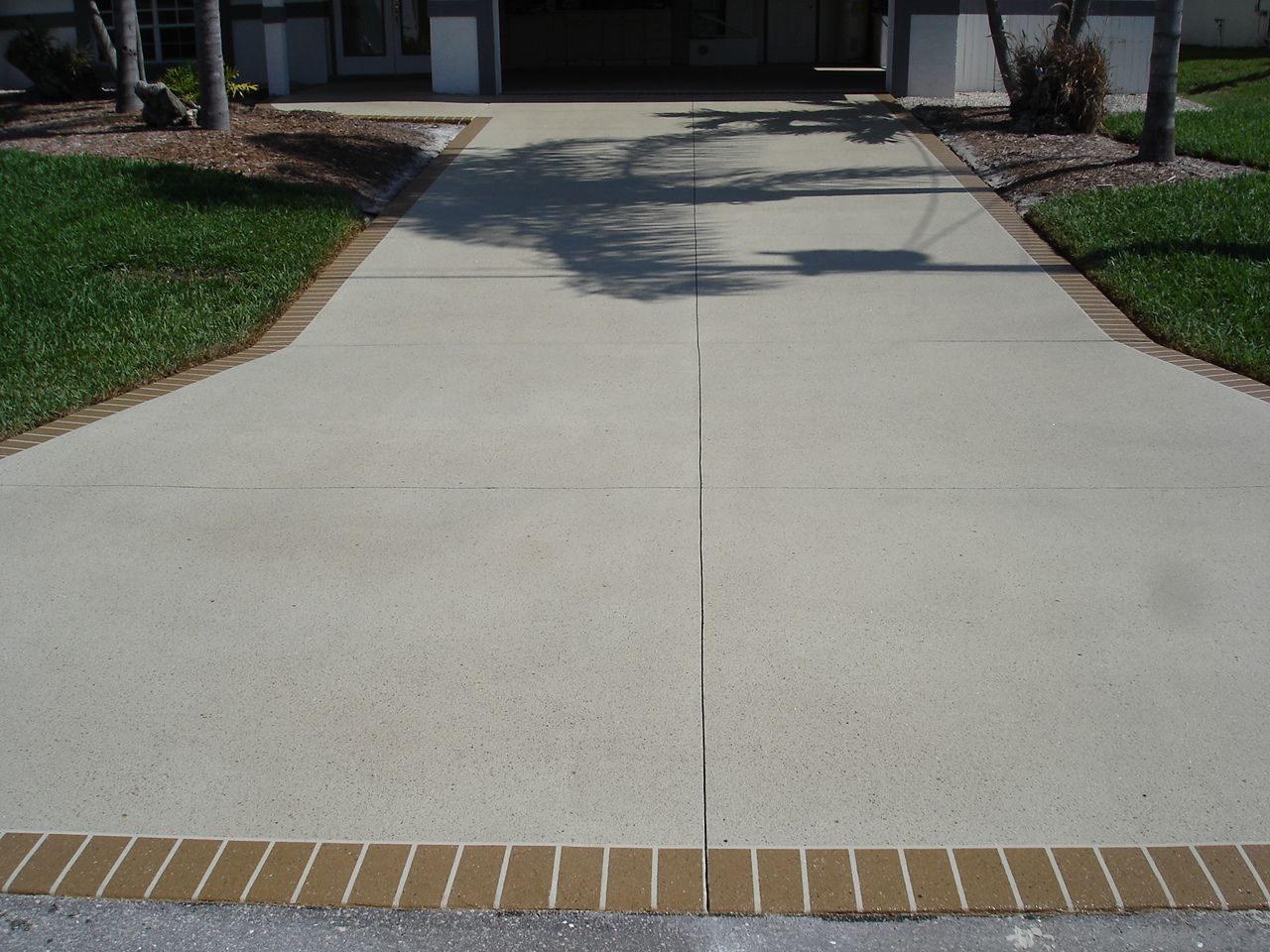
A new concrete driveway is a big investment, and how you treat it in the first year makes a real difference in how long it lasts. Here's what actually matters.
Keep vehicles off for at least 7 days, avoid de-icing salt the first winter, and seal the surface after the first year to protect it long-term.
The First Week
What to Avoid in the First 7 Days
This is the most critical window. Foot traffic is usually fine after 24 to 48 hours, but vehicles, heavy equipment, and even lawn furniture should stay off until the concrete has cured enough to handle the weight.
Avoid parking, driving, or placing anything heavy on the surface during this period, even if it looks fully hardened.
The First Month
Easing Into Normal Use
By around 28 days, your driveway has reached most of its design strength and can handle normal daily use, including regular vehicle traffic.
You can start sweeping and light cleaning during this period, but hold off on pressure washing or sealing until the concrete has fully cured.
Sealing
When and Why to Seal Your Driveway
Sealing helps protect concrete from water absorption, staining, and salt damage. We generally recommend waiting until the concrete has cured for at least a year before applying a sealer, then resealing every 2 to 3 years after that.
Sealing too early can trap moisture in the concrete and cause problems, so it's worth waiting even though it's tempting to protect a brand-new driveway right away.
Winter Care
Protecting New Concrete Through Its First Winter
New concrete is more vulnerable to salt and freeze-thaw damage than older, fully cured concrete. A few precautions in the first winter go a long way.
Here's what we recommend:
- Avoid rock salt and de-icing chemicals for the first winter
- Use sand for traction instead of salt if possible
- Shovel snow promptly rather than letting it sit and refreeze
- Use a plastic shovel to avoid scratching the surface
- Consider a calcium-based de-icer only if absolutely necessary
Everyday Care
Simple Habits That Extend the Life of Your Driveway
Sweeping regularly, rinsing off spills like oil or fertilizer promptly, and avoiding harsh chemical cleaners will keep your driveway looking good and prevent staining.
None of this takes much effort, but skipping it is one of the most common reasons driveways look worn before their time.
Watching for Problems
What to Check For Each Year
Once a year, walk your driveway and look for new cracks, sections that seem to be settling, or areas where water is pooling instead of draining.
Catching small issues early is much cheaper than waiting until they become a full replacement.
Maintenance Checklist
A Simple Year-One Checklist
If you only remember a few things, remember these:
Keep it clean and check on it once a year — that's most of what it takes.
- No vehicles for at least 7 days after the pour
- No de-icing salt during the first winter
- Wait about a year before sealing
- Sweep and rinse spills regularly